01 Situation
In IDP camps across Maiduguri, inadequate latrine lighting and insecure locks exposed women and girls to safety risks, fear, and reduced sanitation use. Many avoided latrines at night, resorting to unsafe alternatives due to darkness and vulnerability to harassment.
02 Assignment
Commissioned to prototype and test lighting and locking solutions, the goal was to understand desirability, usability, and installation feasibility across diverse camp settings while centering lived experiences of female users.
03 Approach
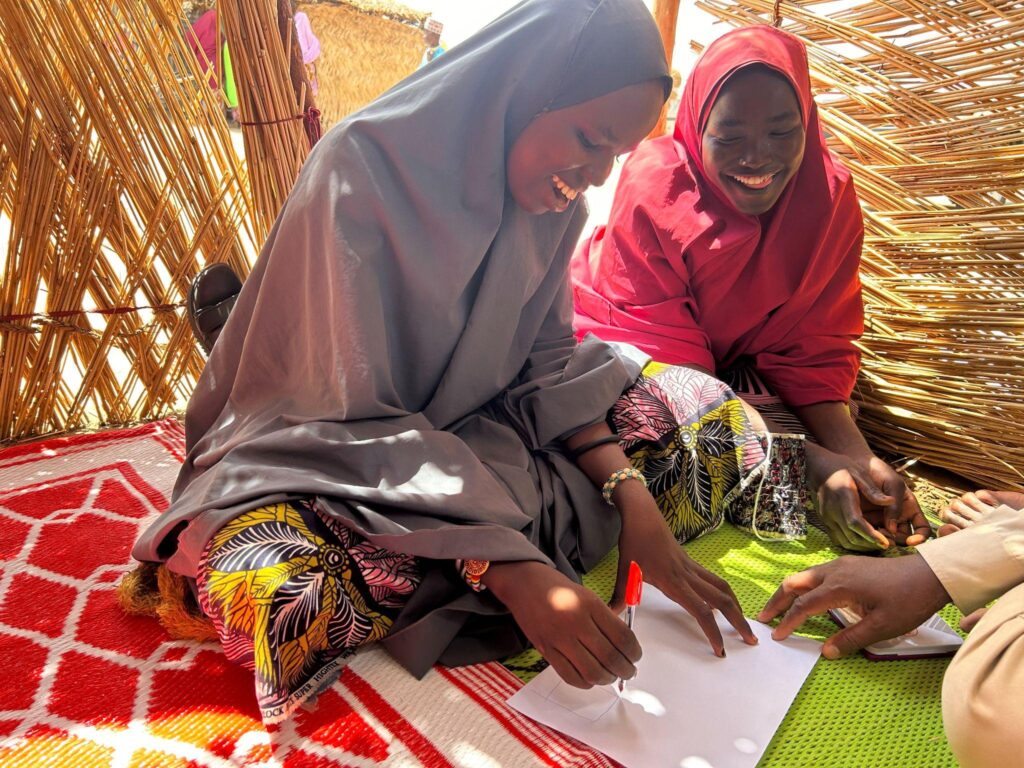
Using a decentralized human-centered design process, prototypes were installed across four sites in Konduga and Gwoza. Women and girls engaged with solutions over multiple nights, while installers and users were observed and interviewed. Rapid feedback loops informed comparisons between lighting variations and locking mechanisms, grounding insights in real-world constraints and behaviors.
04 Result
Lighting and locks significantly improved perceived safety and latrine usage. Simple, always-on solar lighting emerged as most desirable due to ease and reliability, while locks enhanced privacy. However, installation complexity, durability, and theft risks highlighted the need for adaptable, locally maintainable designs—shaping scalable, context-driven sanitation innovation.