Cases

From the field, not the deck.

60+ engagements across 34+ countries. Each one began with weeks of listening in-community, in-language, never a literature review.

Submit new case
FILTER
PXL 20250315 112534129.MP
Senegal, Togo, Benin, Côte d’ivoire

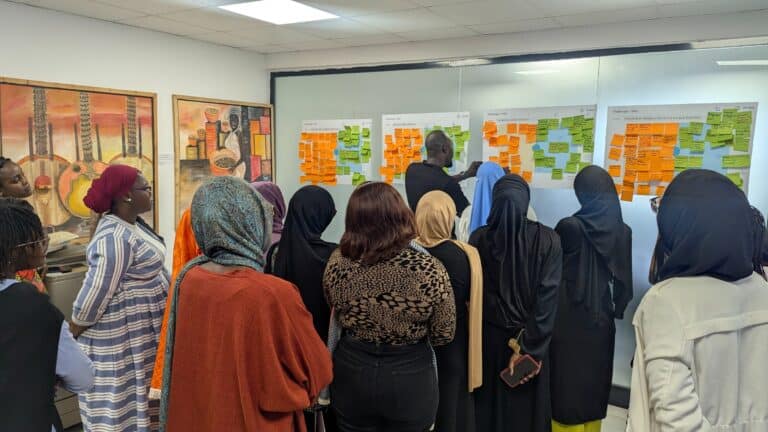
BUILDING A POOL OF INNOVATIVE WOMEN ENTREPRENEURS In Climate

1. Cultivated Talent Pool: Successfully recruited and onboarded 160 high-potential women entrepreneurs across four countries with skills in technology, engineering, and climate. 2. Built Core Capabilities: Equipped participants with essential skills in UX Research (understanding user needs) and developing UX-driven climate solutions. 3. Fostered Community: Established a dynamic professional network, serving as a catalyst for identifying and advancing 15 to 30 promising ideas toward further initiative activities. Validated Ideas: Helped participants refine their initial climate tech concepts by using user-centred validation techniques, improving the viability of their solutions

Read the case →

market support according to vendors.jpg
Somalia

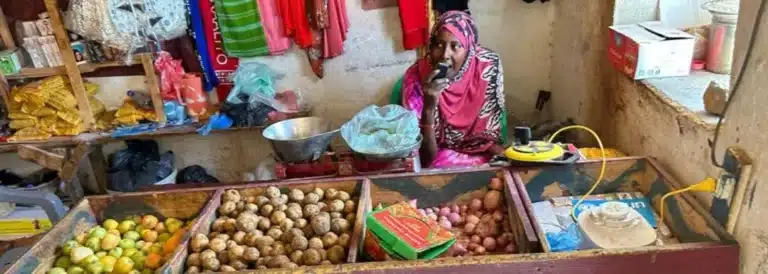
Small Merchants Research Co-Design

Synthesised how the Dangorayo market system and its ecosystem function, and how they connect to community needs. Defined the parameters and criteria for the intervention’s pilot phase. Designed the pilot’s implementation plan: timeline, activities, success criteria, and organisation.

Read the case →

sketch1764379239161
United States

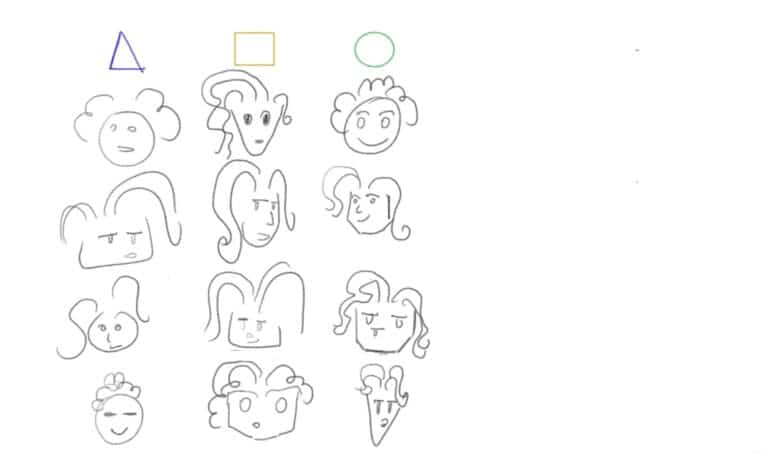
Building a neurodivergence empathy machine: Mismatch

* Misunderstandings led to frustration. A powerful moment happened in the debrief, when a classmate expressed feeling frustrated that someone in their group was not unmuting herself. It turns out the reason was because she had the constraint of only being able to use emojis. This is a common misunderstanding that happens when autistic people use non-verbal communication. * Openness allowed personal interpretation of role. Because actions weren’t prescribed, participants could embody roles in ways that felt authentic to them, which deepened ownership and agency. * Ambiguity lowered agency for some. Without enough instructions, some groups floundered, which led to uneven participation. Clearer framing upfront could help players feel freer within constraints.

Read the case →

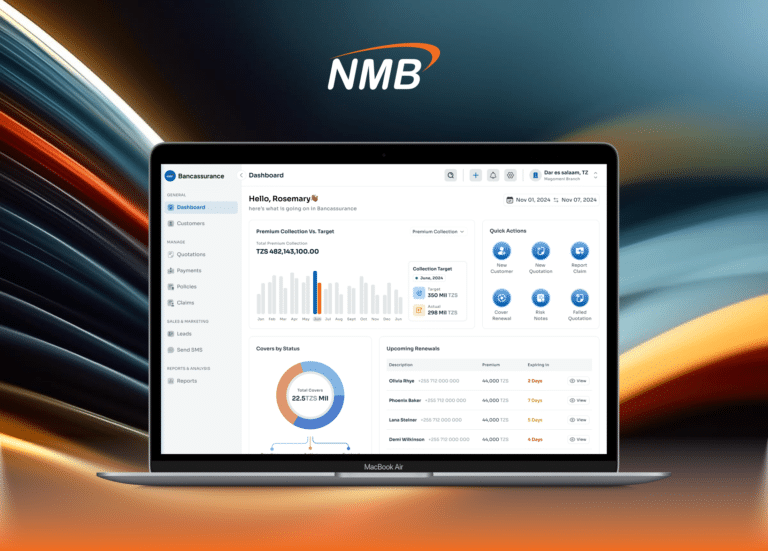
nmb bancassurnace cover
Tanzania

Replacing a 20-year-old insurance system with East Africa’s first purpose-built bancassurance platform.

A system people actually use, and customers actually feel. The platform shipped with two results we are proudest of: higher customer satisfaction, and an 80% cross-sell lead adoption rate. In plain terms, when the system showed an agent a chance to offer a customer another insurance product, the agent acted on it eight times out of ten. Why adoption was so high? Timing and placement. A cross-sell lead is only useful if it reaches the agent at the moment they can act on it. Most systems bury leads in a separate report that nobody opens. We did the opposite and treated when and where a lead appears as a design decision: 1. Right moment: leads show up when an agent is already with the customer, for example when a customer has just finished a quotation, a policy has been issued, or a renewal is coming up. The customer is engaged, and the conversation is already about insurance. 2. Right place: the lead sits inside the screen the agent is already working in, not on a separate page they have to remember to visit. One tap turns it into a quotation, with the customer’s details already filled in from the search-first lookup. 3. Right amount: each lead comes with a quality score and a short reason, so agents spend their time on the customers most likely to say yes, instead of scrolling a long list. 4. Right follow up: if a lead isn’t acted on, the system schedules a reminder, so no opportunity quietly goes cold. Why customer satisfaction went up? Customers feel the system even though they never log into it. Quotations were ready faster because nothing is typed twice. Claims can be checked by anyone at any time, with no call to the insurer needed. Automated messages keep them informed at every step. And the offers they receive are relevant to them, because they come from real signals like their banking activity and renewal dates, not random pitches. What it means for NMB. The bank now has a repeatable way to grow insurance sales from customers it already serves. Better timing and placement turned the lead module from a nice feature into a working sales engine, and satisfied customers are the reason those conversations keep going well.

Read the case →

IMG 20230330 121924
Nepal

Teaching the Method, Not the Answer: Market-Based Sanitation in Karnali, Nepal

The team’s deep dive identified the binding constraints: transport difficulty, low awareness, weak sanitation markets, product unavailability, and a shortage of skilled labour. Those findings, rather than a template, shaped what followed. The Nepal team carried the work forward independently, through mason training, supplier coordination, establishment of supply outlets, and producer engagement, with pilot testing of portable sanitation options including SaTo products. The SUSWA team presented their approach and findings at World Water Week 2023. Acknowledgement: With thanks to the SUSWA project, a bilateral initiative of the Governments of Nepal and Finland with EU co-funding, to NIRAS Finland, and to iDE Nepal, for the opportunity to contribute to sustainable, context-specific sanitation in remote Nepal alongside a skilled and genuinely curious team.

Read the case →

dra innovation scoring framework
Netherlands – Syria, Yemen, South Sudan, DRC, Somalia, Ethiopia

Chairing the review of humanitarian innovation proposals for the Dutch Relief Alliance

A jury report and recommendations, on which the Alliance based its funding decision. Every applicant received feedback on where their proposal was a programme rather than an innovation: narrow the segment, name the riskiest assumptions, test them.

Read the case →

See a case that maps to your context?