Cases

From the field, not the deck.

60+ engagements across 34+ countries. Each one began with weeks of listening in-community, in-language, never a literature review.

Submit new case
FILTER
Screenshot 2025 06 10 at 10.36.57 AM
Lesotho

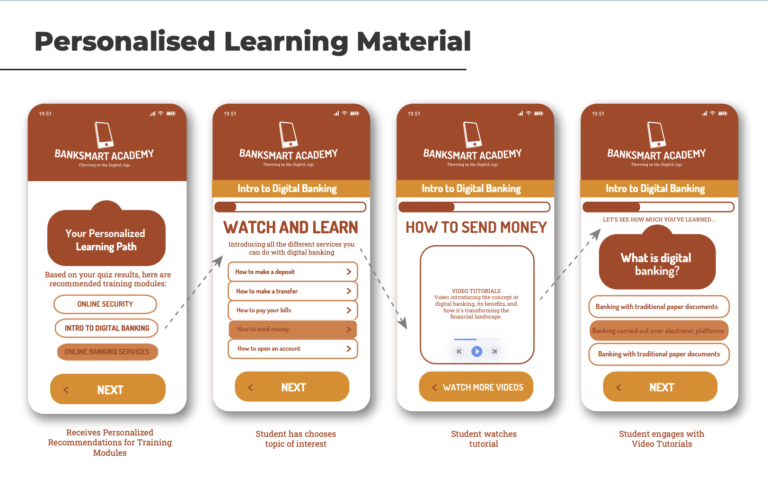
DIGITAL SKILLS & LITERACY TRAINING FOR CONSUMER ONLINE BANKING SERVICES IN LESOTHO 

A mobile, zero-rated digital-literacy platform was designed to equip Basotho youth with essential skills and financial-literacy confidence. Blending interactive modules, practical application, and tailored support, the program strengthens digital readiness and advances inclusive participation in online banking.

Read the case →

684411959cbb5 1
Pakistan

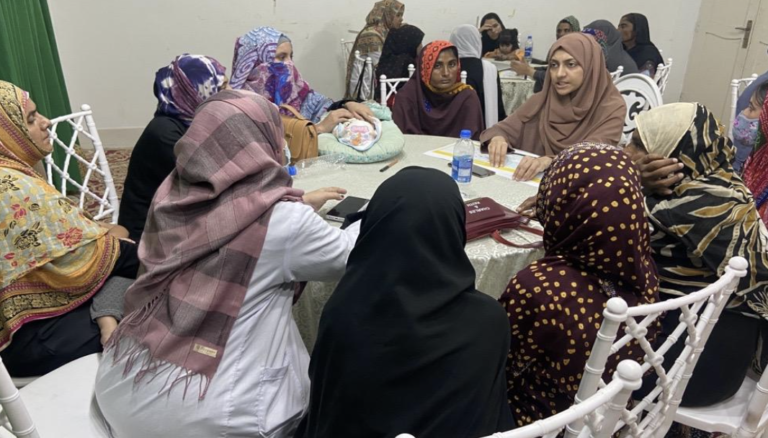
Co-Creating Community Health Solutions in Rural Sindh, Pakistan

Community-shaped prototypes emerged, spanning transport pooling models, localized maternity hubs, peer-led counselling, and culturally attuned awareness initiatives. These concepts created a foundation for sustainable, trust-building improvements embedded within the community’s own systems and social dynamics.

Read the case →

Plan International
Kenya

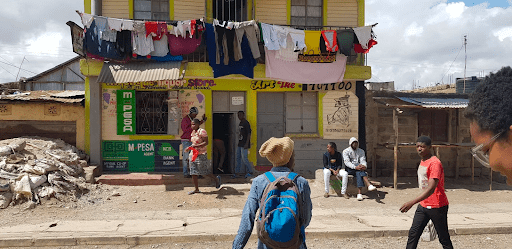
Plan International – Increase income levels of young mothers in Nairobi slums

Mothers Unite, a cooperative led by young mothers, which ensures better quality and a more stable work environment for informal domestic services, such as childcare, cleaning and washing clothes. Three important elements belong to this concept: a referral system to vet clients and service providers, a daycare model to organize reliable and affordable childcare, and group saving with a more modest daily amount. Which allows the groups to self-organize and gather clients in their own community. The aim is that women can form a group with others that they already know and trust. This also gives space to start a trustworthy group saving project, with an affordable daily income.

Read the case →

67fd1b6ea8bfd 2048x1365 1
Uganda

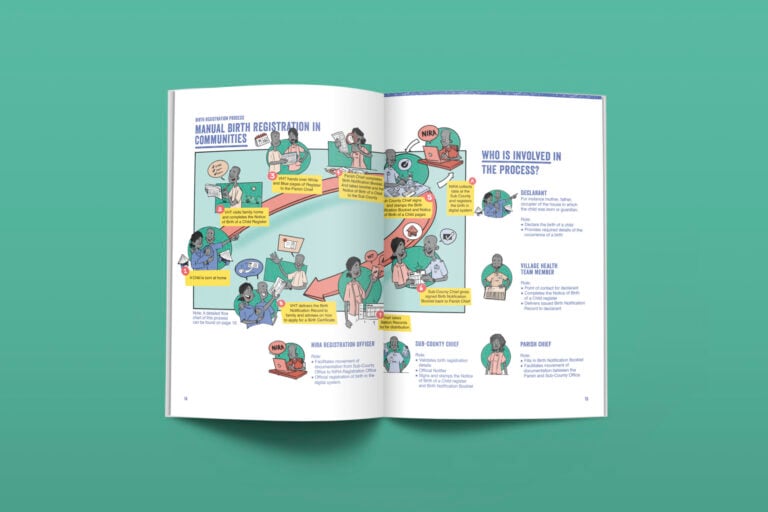
Birth registration in Uganda

Business Case The Business Case documented the current birth registration process and associated challenges in Uganda in the standard and refugee context and explained the 3 Tested Registration Models to enable other stakeholders to replicate the models in the future. The documentation focused on recognizing good practices, lessons and success stories arising from the implementation of project objectives during the last three years. The Business Case was intended primarily for external communication towards government organizations and their partners to support replication. Final Evaluation The purpose of the final evaluation was to assess the performance of the 3 different models as per planned outcomes, the possible sustainability of each model after the project ends and to list the recommendations for next steps. The Final Evaluation was meant primarily for internal use by Plan International and for communication towards donors and to compliment the business case. Handbooks The Handbooks were easy-to-use tools to support the Ugandan government and other organizations in implementing the birth registration models. It described the step-by-step illustrated process with tips and tricks for the key actors in implementation based on the lessons learnt from the evaluation. The Handbooks can be used as a resource to train implementing staff members and support them in their day-to-day work to implement the models.

Read the case →

1 private sector
Kenya, Bangladesh, Ethiopia, Nigeria, India, Pakistan, Indonesia

Co-Innovation Platform for seven governments to develop Nutrition-driven Social Protection programs

Validated prototypes and a shared platform vision laid the groundwork for launch in 2025. GAIN has continued its partnership with Proportion Global to build the co-innovation and position it as a the go-to co-innovation platform to be used by clients and projects. GAIN: “Proportion Global brought deep expertise in human-centered design and local stakeholder engagement, helping GAIN build a practical, user-driven co-innovation platform. Their on-the-ground presence and strategic insight consistently exceeded expectations, positioning them not just as implementers, but as trusted thought partners throughout the process.”

Read the case →

684306631be71 1
Bangladesh, Myanmar, Pakistan

Empowering Social Business to Increase Positive Impact on Girls and Women

20 businesses emerged with sharper, field-tested strategies grounded in lived realities. Examples include onboarding farmers into rabbit farming in Nepal, improving mobile money agent models, and enhancing ICT training for women. Proportion’s role bridged global expertise with local insights to drive sustainable change.

Read the case →

See a case that maps to your context?