Design 2.0 for challenges that do not fit in one box.
Many social and environmental challenges are not just user problems. They are shaped by local realities, power dynamics, behaviours, institutions, technologies, funding models and wider systems. That is why our practice starts with the community, but does not stop there.
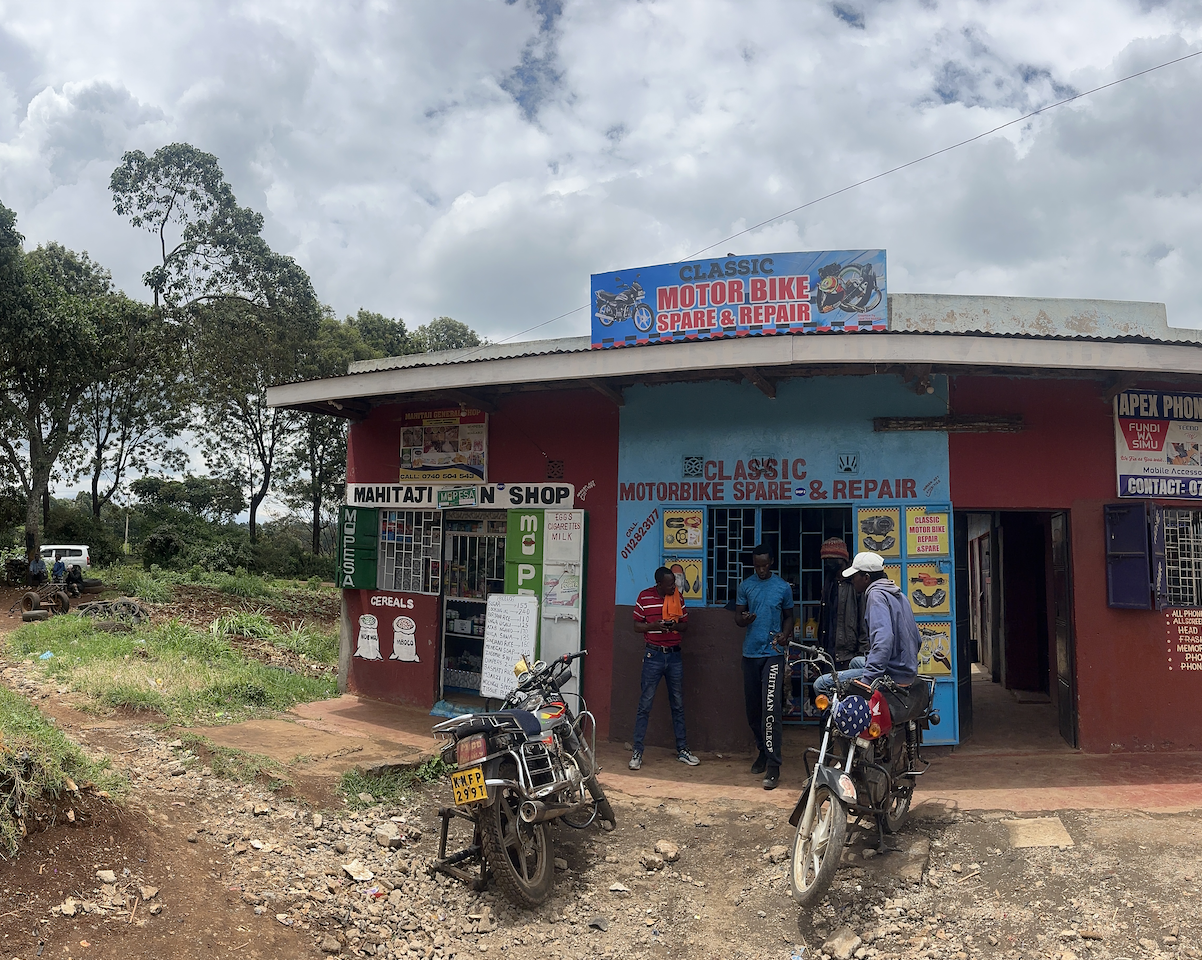
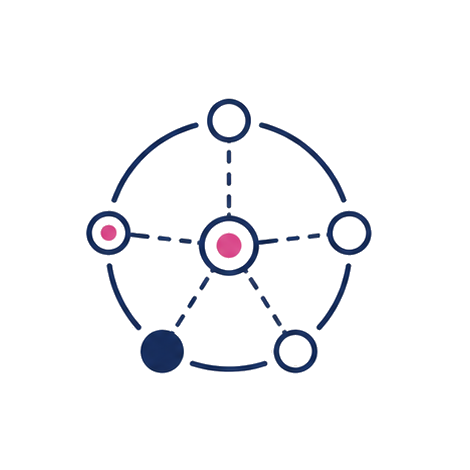
The people who experience the challenge directly.
Good solutions cannot be designed from a distance. They are shaped by lived experience and the everyday realities of people who know the problem from the inside.
The context any solution must work within.
Culture, language, trust, gender norms, infrastructure, geography, service access, informal networks, political dynamics, climate risk, economic constraints.
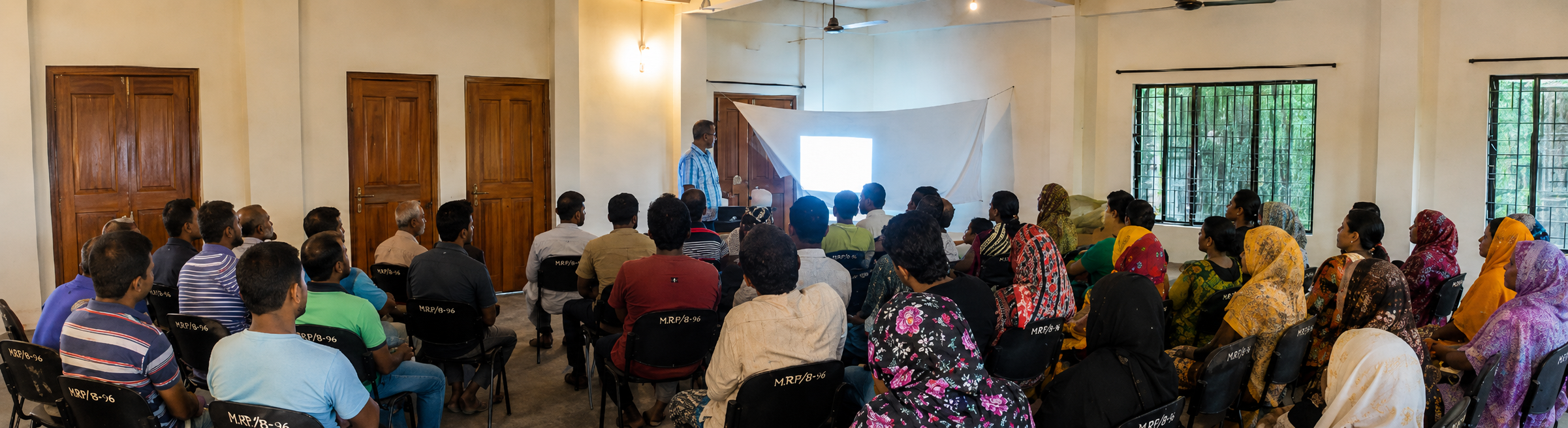
The people and institutions needed to move from insight to change.
Community members, changemakers, ecosystem enablers, technology partners, researchers and government actors, each with a distinct role.
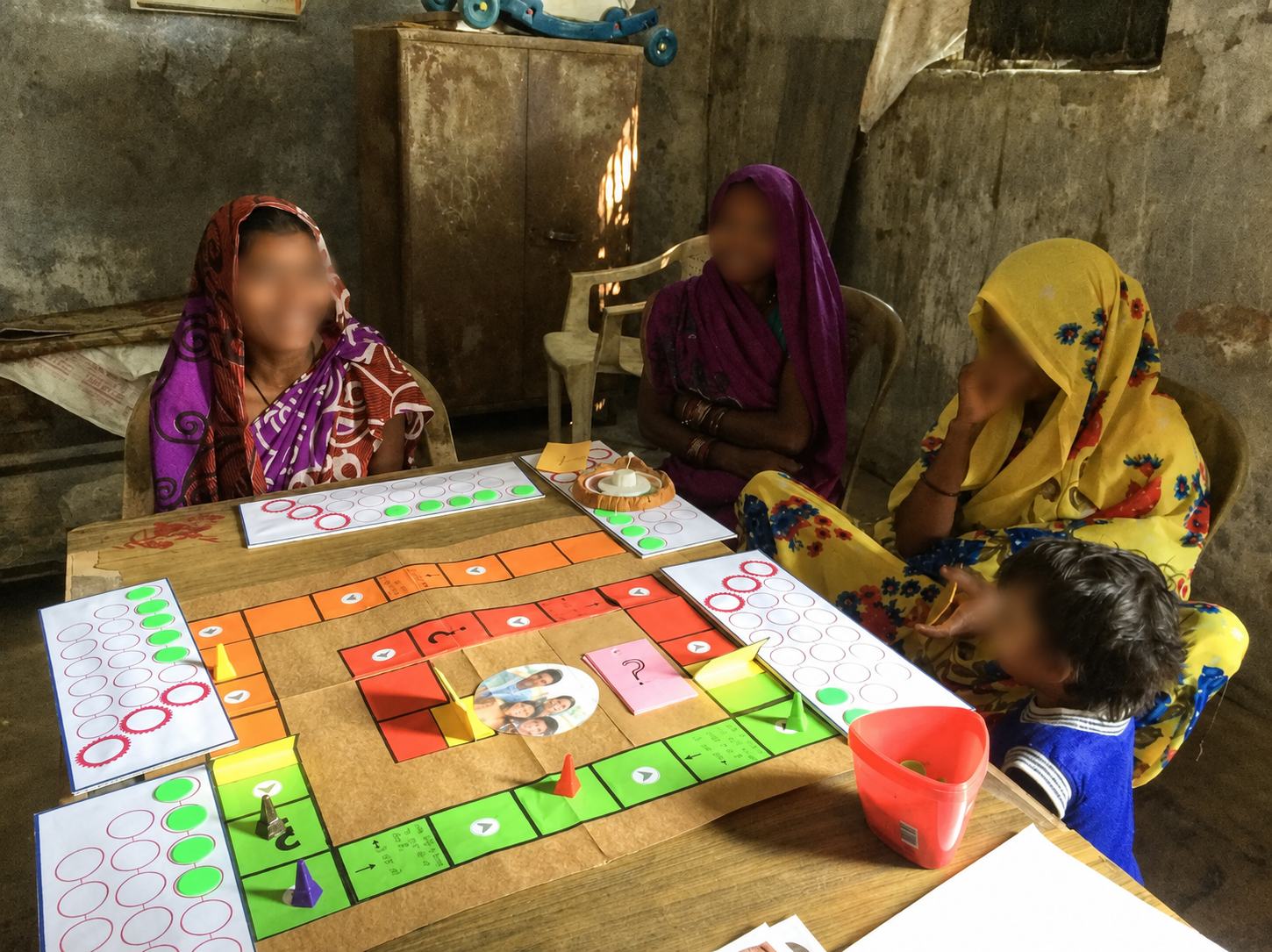
How we move from understanding to action.
An iterative loop: Learn, Co-create, Prototype, Measure, Adapt and Scale. Not every project needs every method. We select the right lenses for the challenge.
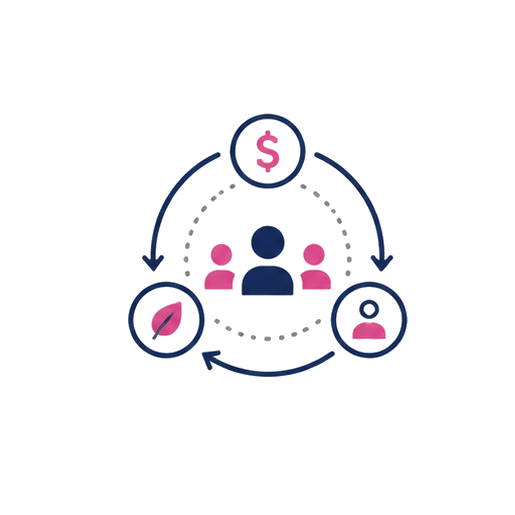
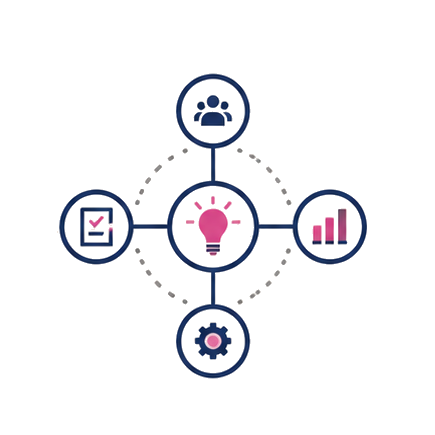
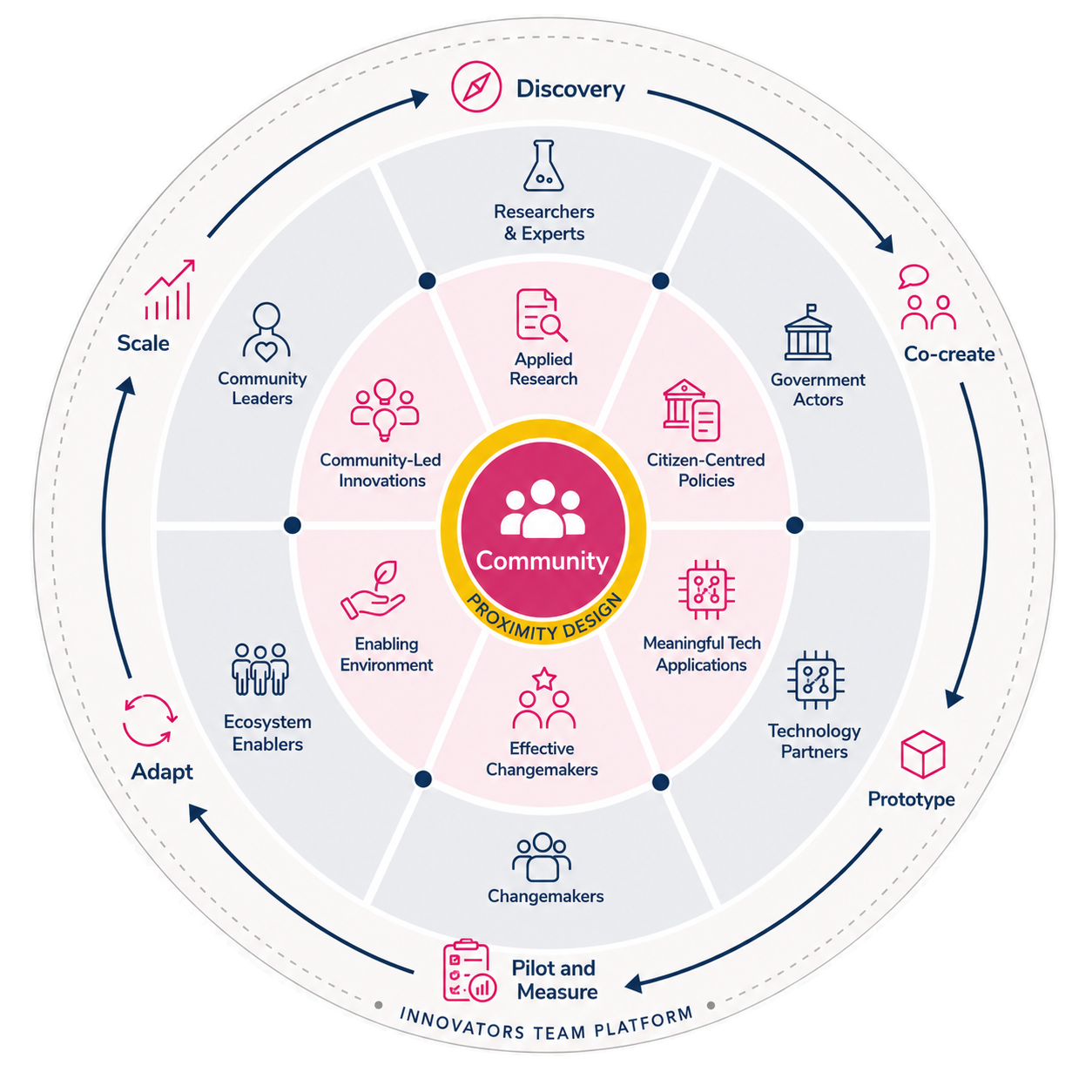
A model that places community at the centre, surrounded by local realities and ecosystem actors.
At the heart of our methodology is a simple belief: solutions should be designed with the communities they are meant to serve. But communities do not exist in isolation. Their choices, opportunities and barriers are shaped by the systems around them.
Community
The centre of the model is the community. This includes the people who experience the challenge directly, as well as those whose lives may be affected by a new service, product, policy or programme. We start here because good solutions cannot be designed from a distance. They need to be shaped by lived experience, local knowledge and the everyday realities of people who know the problem from the inside.
Local realities
The first ring around the community represents the context in which any solution must work. This includes culture, language, trust, gender norms, infrastructure, geography, service access, informal networks, political dynamics, climate risk and economic constraints. By understanding these local realities, we avoid designing solutions that look good on paper but fail in practice.
The actors around the system
The next ring brings in the people and institutions needed to move from insight to change. Six distinct groups, each with a role only they can play.
Define · test · judge
Help define the problem, test ideas and judge whether a solution feels useful, safe and relevant.
Energy · ownership · leadership
Social entrepreneurs, youth leaders, frontline workers, community organisers or programme staff.
Conditions for adoption & scale
NGOs, funders, intermediaries, implementing partners, networks or private-sector actors.
Tools that fit real constraints
Help translate ideas into usable platforms, tools and digital services that fit real-world constraints.
Evidence · rigour · learning
Connect lived experience with data, analysis and practical decision-making.
Public systems & policy
Essential when solutions depend on policy, regulation, service delivery or institutional adoption.
A cycle for learning and implementation.
Around the model is an iterative cycle. This is how we move from understanding to action, and back again. Not every project needs every method, but every project moves through this loop.
Learn
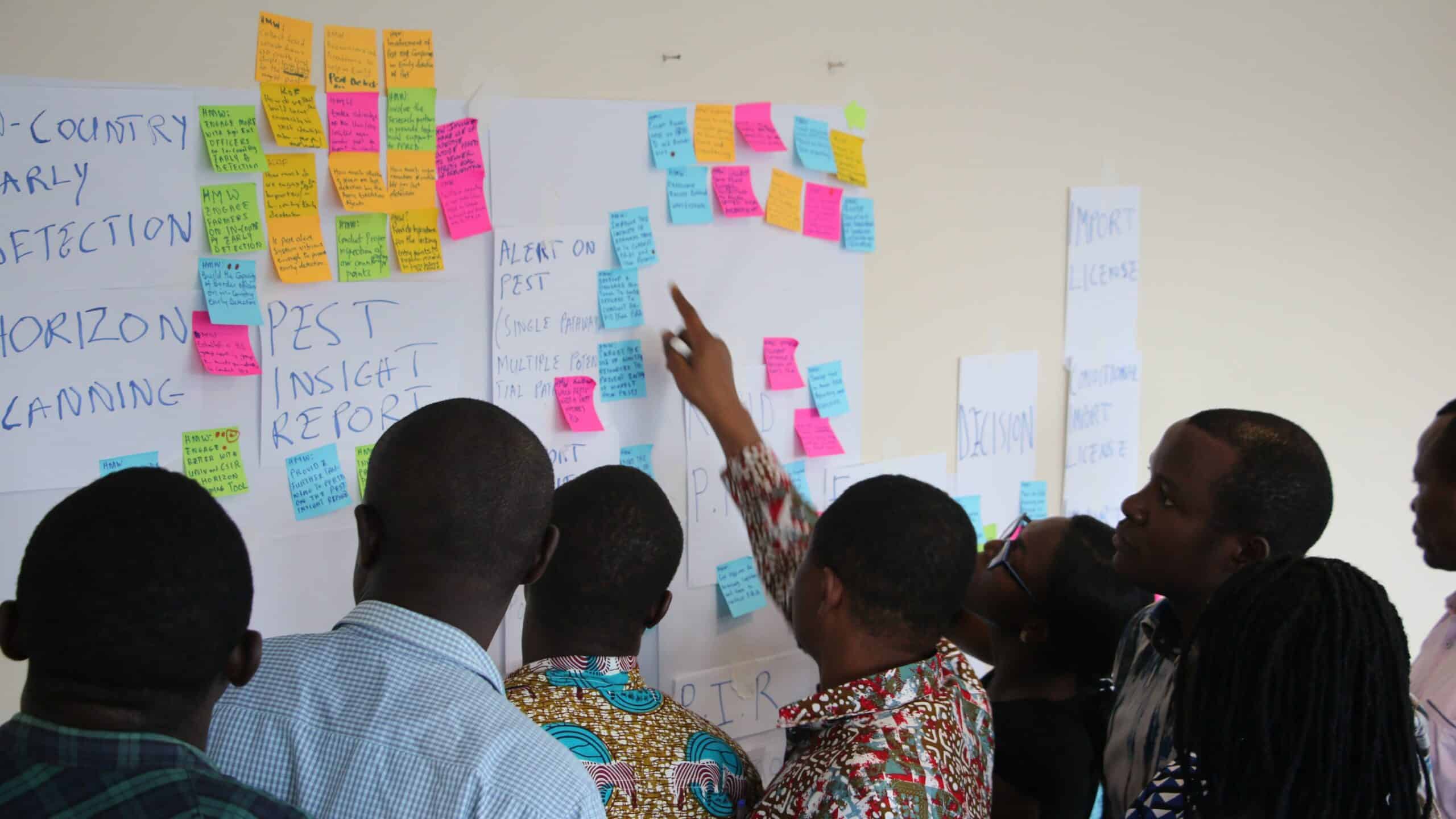
Listening, observing and mapping what is really happening. Interviews, field research, system mapping, behavioural diagnosis, stakeholder analysis or participatory activities.
Co-create
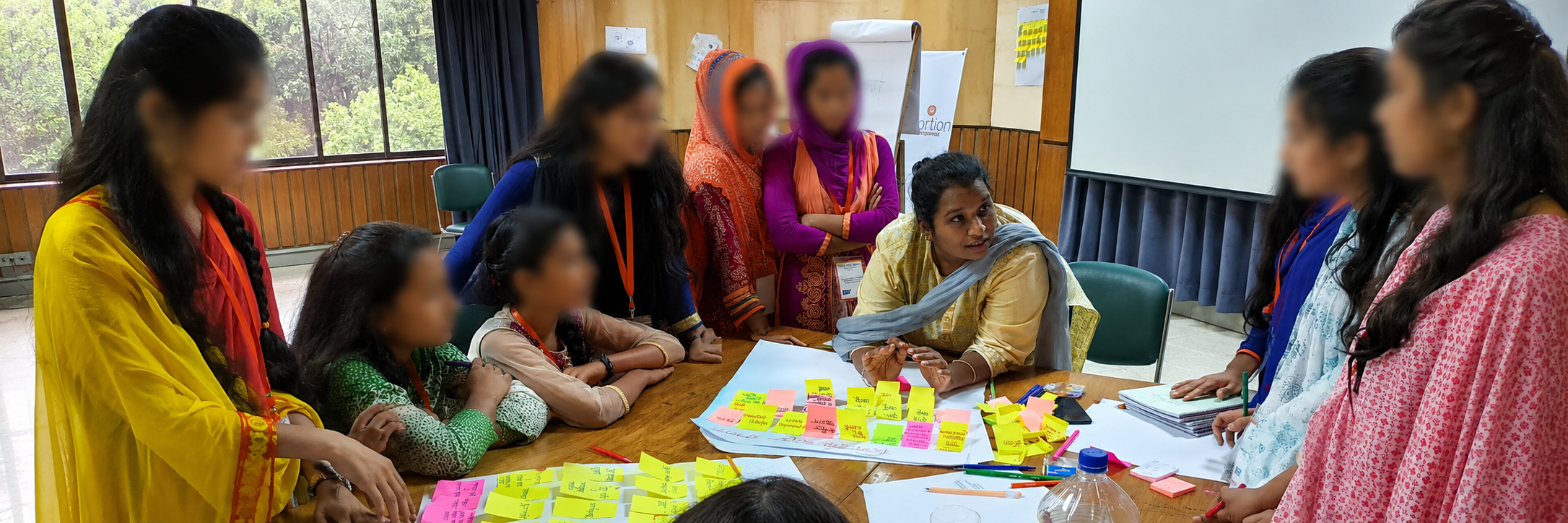
Bringing communities, partners and ecosystem actors together to make sense of insights and generate solutions. Shifts ownership and reduces the risk of designing for everyone else.
Prototype
Making ideas tangible: service journeys, digital flows, communication tools, training materials, business models, policy concepts, field tools or programme blueprints.
Measure
Defining what needs to be learned and how success should be assessed: usability, desirability, feasibility, behavioural change, adoption potential, cost, operational fit or early impact.
Adapt
Using feedback and evidence to improve. Simplifying a tool, changing the delivery model, refining the message, adjusting the business model or rethinking the role of partners.
Scale
Thinking beyond the pilot. Implementation pathways, ownership models, financing, partnerships, capacity building, governance and integration into existing systems.
Building on human-centered design, and expanding it for the complexity of development work.
Design 2.0 helps us move beyond the limits of traditional HCD. From workshops to tested prototypes. From good ideas to viable models. From pilots to adoption and scale.
In practice, this means we combine human-centered design with systems thinking, social and behaviour change, foresight, circular design, inclusive business modelling and innovation management. Not every project needs every method. We select the right lenses based on the challenge, context and decision our partners need to make.
AI as a support tool, never a replacement for community insight.
AI can help innovation teams work faster, explore patterns, generate options and make sense of complexity. But it cannot replace local expertise, community insight or human judgement. The goal is not to automate design. The goal is to help people design better, with more clarity, creativity and care.
Learn
AI supports early research by reviewing background documents, identifying knowledge gaps, structuring interview guides and organising large volumes of qualitative data, comparing insights across countries and surfacing recurring themes.
Co-create
AI helps turn research findings into sharper design challenges, opportunity areas and workshop prompts. It supports facilitators with creative exercises and accessible language for different stakeholder groups.
Prototype
AI speeds up early prototyping: drafting service journeys, user flows, concept descriptions, training materials, chatbot scripts, campaign messages, visual prompts or scenario cards. Always starting points, never final answers.
Measure
AI structures feedback, identifies patterns across test results and compares what different users or stakeholder groups are saying. Rapid analysis of interviews, surveys, observation notes and learning logs.
Adapt
AI translates feedback into practical improvements: alternative prototype versions, simplified language, audience-adapted messages, or trade-offs between usability, feasibility and cost.
Scale
AI supports preparation of implementation tools, playbooks, training content, partner briefs and knowledge products. Useful when innovations move from pilot to a larger programme, cohort, platform or multi-country implementation.
Communities and local experts remain the source of truth.
We use AI carefully. AI helps us support the process, but people lead the design.
Protect sensitive data
We avoid unnecessary exposure of personal information across every step of the cycle.
Check against field evidence
AI-generated outputs are validated against what we know from the field, not the other way around.
Make assumptions visible
Where AI fills a gap with inference, we name the assumption so partners can challenge or accept it.
No shortcuts on consent or trust
AI does not replace consent, trust, interpretation or accountability. Those remain human responsibilities.
Have a challenge that does not fit in one box?
A 30-minute discovery call is the fastest way to find out whether Design 2.0 is the right lens for your work. No pitch, no pressure. We'll listen, share honestly whether we can help, and follow up with a written proposal if there's a fit.
Book a discovery call
- →30 minutes. No cost.
- →Direct with a senior HCD lead.
- →Written follow-up within 48 hours.