01 Situation
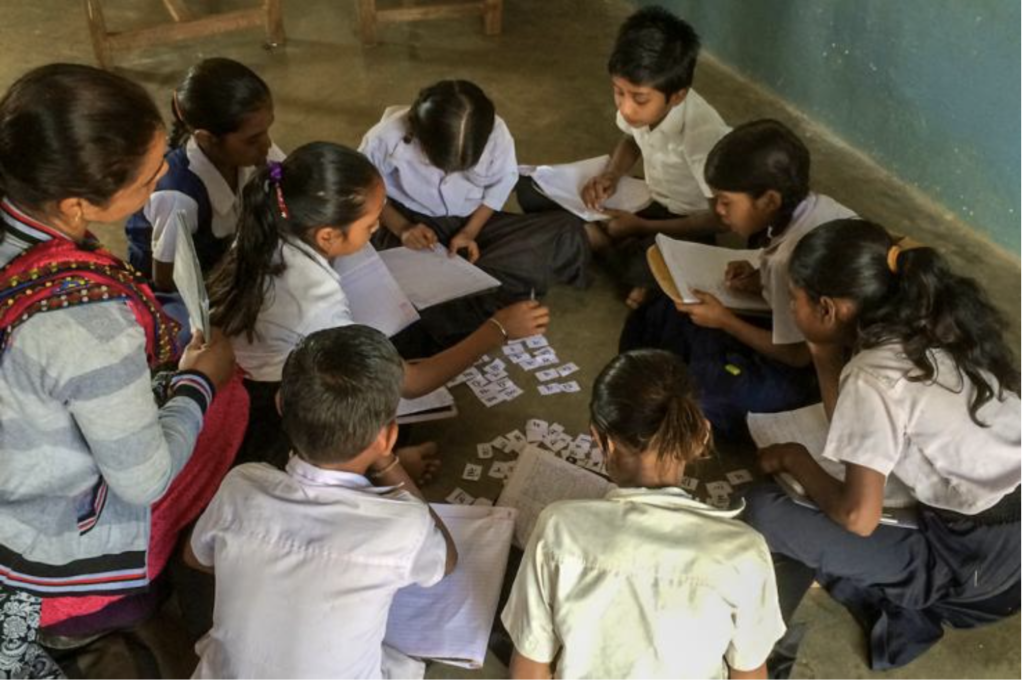
Led by J-PAL South Asia in partnership with Pratham, the Government of Assam, and the World Bank, this randomized evaluation assessed the impact of combining in-school and community-based TaRL interventions. The study employed a three-arm clustered RCT across 200 schools, comparing in-school only, combined (school + community), and control groups. Baseline, midline, and endline data were collected to track learning outcomes in Grades 3–5.
02 Assignment
The project aimed to rigorously assess the effectiveness of alternative delivery models for TaRL. This required designing a three-arm cluster RCT, developing survey instruments, setting up real-time monitoring and supervision systems, and conducting end-to-end data collection across three rounds (baseline, midline, endline).
03 Approach
The evaluation employed a multi-arm, cluster-randomized controlled trial across 200 government primary schools. Quantitative data collection spanned three survey rounds using standardized instruments administered to 5,800 children and 4,600 caregivers, along with school heads. A qualitative study was embedded in the endline, targeting caregivers involved in community study groups. Rigorous data quality protocols included high frequency checks, data validations and back-checks on R.
Credentials: Consultant on this project was Mrignaina TIkku
04 Result
The evaluation demonstrated statistically significant improvements in foundational learning outcomes, with the combined in-school and community-based TaRL model showing the largest effect (0.45 SD in math). Based on these findings, the Assam state government scaled the model to 4,000 schools in 2022–2023, with further scale-up planned. This study contributed to the global TaRL evidence base and exemplified how rigorous M&E can drive evidence-informed policy adoption at scale.