Situation
In Maiduguri’s internally displaced persons camps, inadequate lighting and unreliable locking systems in communal latrines left women and girls vulnerable to gender-based violence and unsafe hygiene conditions. To address these risks, the International Rescue Committee launched a crowdsourcing challenge to surface locally relevant safety solutions.
Assignment
The brief centred on understanding how lighting and locking systems could better support female users of all ages. A participatory process was established to reveal cultural norms, mobility constraints, and contextual factors essential for creating solutions that would be both acceptable and sustainable.
Approach
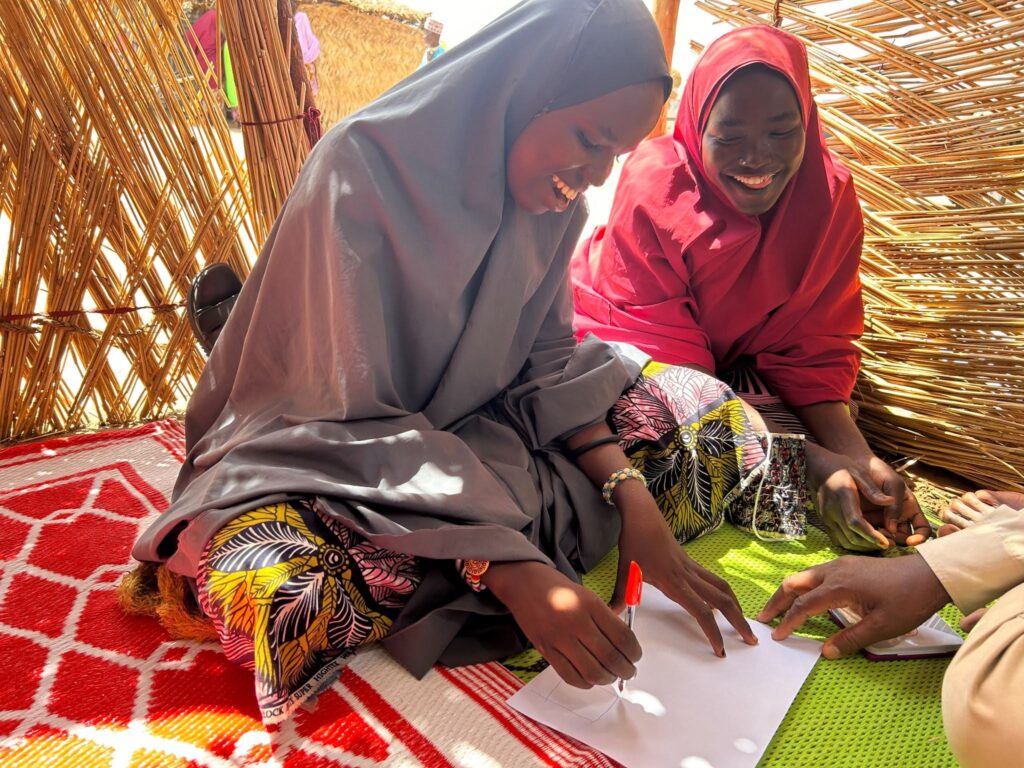
Female camp residents took part in hands-on prototype testing, exploring new lighting and locking options in real use conditions. Observation, interviews, and co-creation sessions generated grounded insights that shaped refinements in usability, installation, and overall experience.
Result
The work delivered robust, scalable improvements—weather-resistant materials, simplified installation, and adaptable designs ready for varied environments. Testimonials, narrative reports, and visual documentation captured community impact and created a foundation for broader implementation.